
Hydration vs. Moisture: Understanding Your Skin's Needs for a Healthy Glow
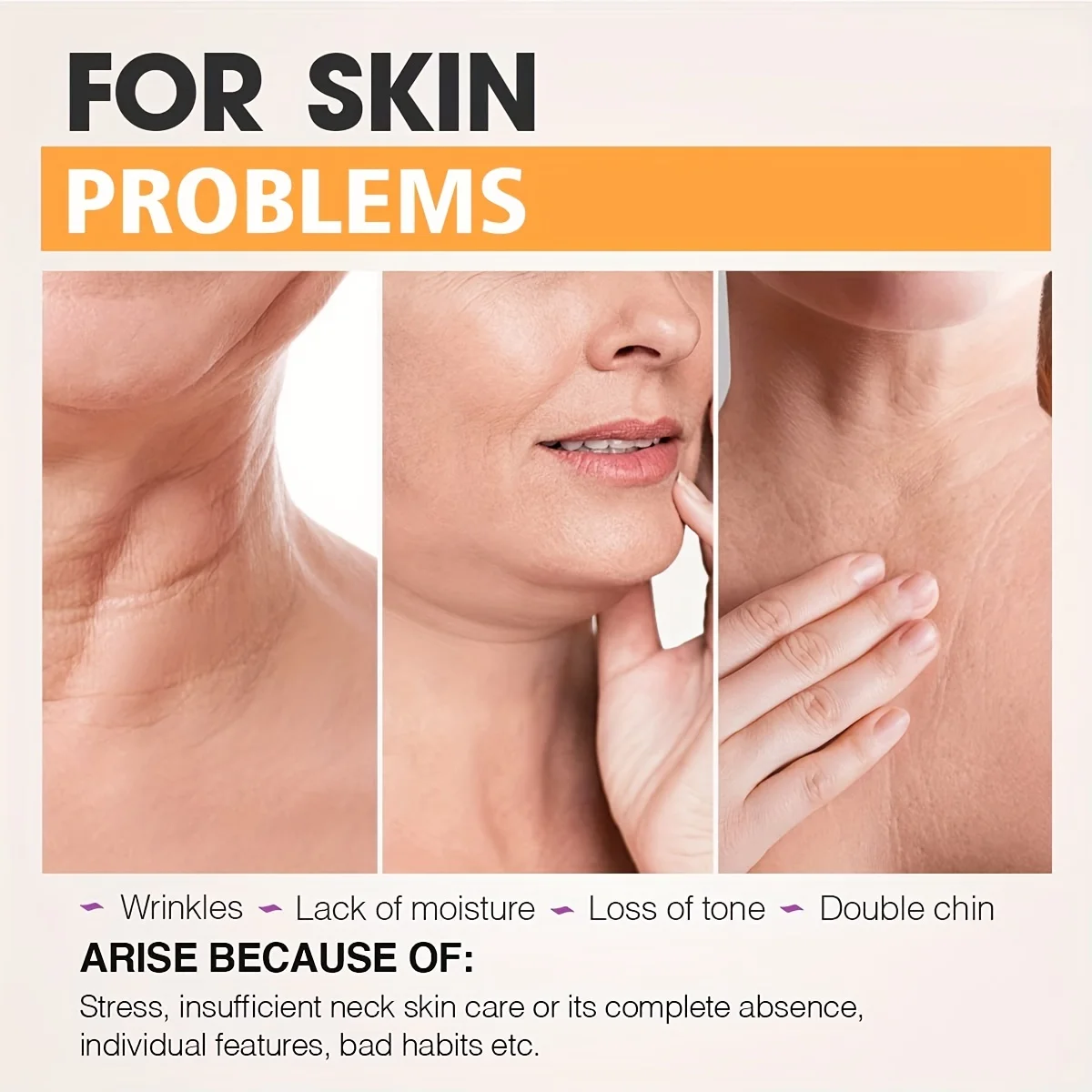
Key Takeaways for Healthy, Hydrated Skin
- Hydration refers to the water content within your skin cells, crucial for elasticity and a plump appearance.
- Moisture involves ingredients that create a protective barrier to seal in hydration and prevent water loss.
- Understanding the difference between hydration and moisture is key to effectively addressing dry or dehydrated skin concerns.
- Hyaluronic acid is a powerful hydrating ingredient that attracts and binds water to your skin.
- A balanced skincare routine should include both hydrating and moisturizing elements to support a healthy skin barrier.
- Internal hydration through water intake and water-rich foods also significantly contributes to overall skin health.
Understanding your skin’s needs can sometimes feel complex, especially when distinguishing between skin hydration and skin moisture. While both are essential for healthy skin, they address different aspects of skin care. Dry, rough, or itchy skin can be a sign that your skin is lacking one or both.
Many skincare products highlight both hydrating and moisturizing benefits, which are vital for a comprehensive and effective skincare routine. Though often used interchangeably, these terms refer to distinct strategies that serve unique purposes. By identifying what your skin truly needs, you can achieve a confident, radiant glow.
To better understand these key components, let’s explore the basics of skin science. According to the Mayo Clinic, skin is composed of three layers: the outer layer (epidermis), the middle layer (dermis), and the subcutaneous tissue underneath (hypodermis). The Mayo Clinic reports that if the outermost layer of the epidermis lacks sufficient water, skin can lose elasticity and feel rough. This condition, known as dehydration, signifies a literal lack of water within skin cells, making them appear dull and lifeless. Factors like harsh products, low humidity, air conditioning, lack of sleep, or very hot showers can contribute to dehydrated skin. Addressing hydration is the first step towards revitalized skin.
Ultimately, hydration and moisture work together. One is less effective without the other. Developing a skincare routine that incorporates both is crucial for maintaining optimal skin health and counteracting factors that lead to dry skin.
Expert Advice
The advice in this article does not constitute medical advice, it is solely available for information purposes.
Achieve Optimal Skin Hydration and Moisture
Hydration vs. Moisture: Understanding the Key Differences
| Aspect | Hydration | Moisture |
|---|---|---|
| Primary Function | Attracts and binds water to skin cells. | Seals hydration into the skin barrier and prevents water loss. |
| What it Addresses | Lack of water in skin cells (dehydration). | Compromised skin barrier (dryness). |
| Key Ingredients |
|
|
| Skin Sensation | Skin feels tight, dull, and may show fine lines. | Skin feels rough, flaky, and itchy. |
| Contributing Factors to Deficiency |
|
|
Embrace Your Journey to Healthy, Radiant Skin
Understanding the distinct roles of hydration and moisture is fundamental to achieving and maintaining healthy skin. By recognizing whether your skin needs more water or better barrier protection, you can tailor your skincare routine for optimal results. Embrace a holistic approach that combines effective topical products with internal wellness, empowering your skin to radiate confidence and vitality every day.